From Study To Stage
Mia Lee
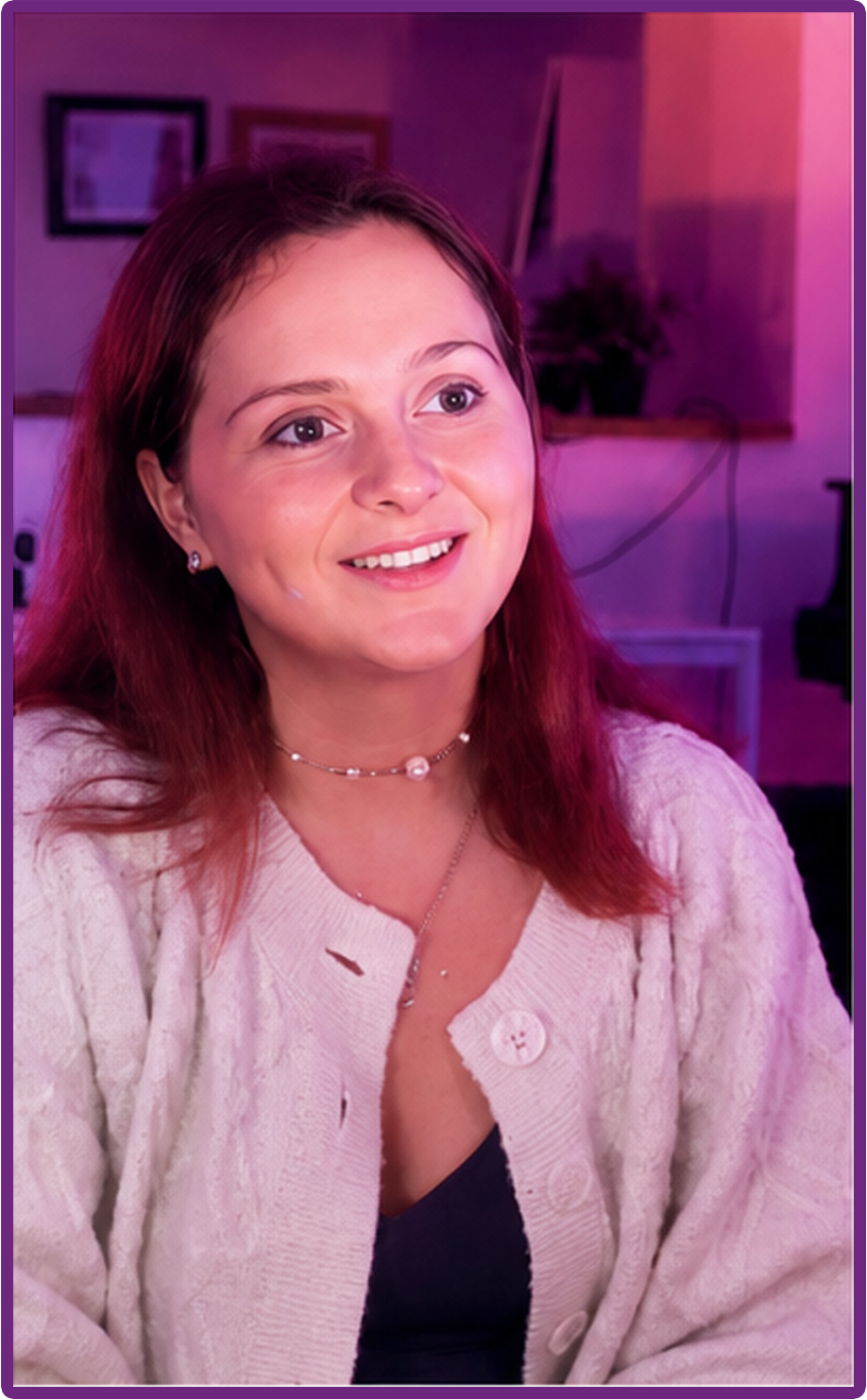
Mia Lee came to The Playhouse’s Next Stage Programme after studying stage management at Ulster University, wanting the chance to turn her training into real, paid work. Like many young practitioners, she had learned the basics in education, but what she needed was time in a live environment where she could stretch herself, try new responsibilities and build confidence in a practical way.
That opportunity came through The School on the Edge of Reality, the Halloween project delivered as part of Next Stage. Working with Senior Producer Gary Crossan, Mia found herself learning far more than she expected, especially around sound. She said: “I was working with Gary on a Halloween project for two weeks, and that’s where I really started to learn a lot more about sound. I got to do much more than just stage management, which was really valuable experience.”
It was an important step for her because it gave her space to grow into a wider technical role, rather than staying within the limits of her university training.
That development continued on The Worst Café in the World, delivered with Big Telly Theatre Company. Mia described that experience simply but powerfully: “On this project I’ve been doing a lot more than just stage managing. I love working with lights and sound, and I’ve been able to get real, practical experience across both.”
What comes through in her words is not just enjoyment, but the relief and value of being trusted with meaningful work that helps someone move forward.
That trust has had a real outcome. Mia has now secured a role with BNL Productions as an Audio Visual Engineer.
Mia’s story matters because it is concrete. She had training, but Next Stage gave her the chance to use it, extend it and turn it into work. For a donor, that is the real value of supporting this kind of programme: not just activity, but a clear route from learning into paid creative employment.
Principal Funder:
Box Office Open Hours.
- MONDAY - CLOSED
- TUESDAY - CLOSED
- WEDNESDAY 1PM-4PM
- THURSDAY 1PM-4PM
- FRIDAY 1PM-4PM
- SATURDAY 10AM-4PM
The Playhouse
5-7 Artillery St
Derry / Londonderry
BT48 6RG
Tel: 028 71 268027
Privacy Policy | Cookie PolicyThe Playhouse is registered as: North West Play Resource Centre Registered with The Charity Commission for Northern Ireland No: NIC 100119 Company Registration: NI 26912.
a zoocreative website